About Educational Projects
Over the past four years, I have deepened my knowledge and practice in photography and film, working closely with displaced people and marginalized communities. My wish is to share creative forms of expression that inspire individuals to connect with their inner strength, rediscover their abilities, and develop new skills.
Photography and film are powerful mediums of self-expression, communication, and advocacy. Through images and moving stories, they allow people to reveal their inner worlds — their emotions, experiences, and dreams. More than creative tools, they become pathways to empathy and connection, inviting others to see, feel, and understand. In this way, photography and film hold the potential to spark reflection, encourage dialogue, and nurture meaningful social change.

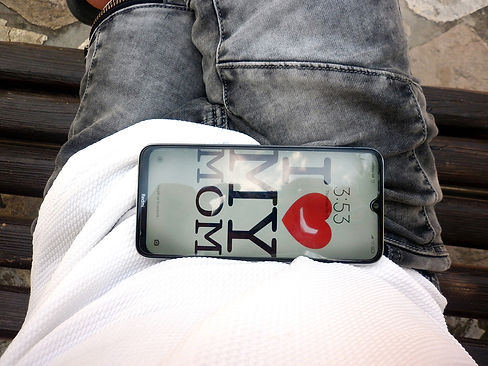
"How much I wish I could be in my
mother’s arms just one more time."
Photo: Reza, Afghanistan
Text: Abdul, Pakistan
Empowering Through Photography
Through my training in PhotoVoice, Therapeutic Photography, and Self-Advocacy, I support groups and individuals in using photography to tell their stories, express their experiences, and advocate for their rights—empowering them to be seen, heard, and understood.
1. What I offer in Participatory Photography
I guide participants through the full creative process, helping them build skills and confidence while exploring their own perspectives.
-
Introducing visual literacy and ways of interpreting images
-
Facilitating photo dialogues to discuss and reflect on photographs
-
Taking pictures and experimenting with photographic techniques
-
Building hands-on skills through practical exercises
-
Developing a project from initial concept to finished work
-
Working with text to complement images and stories
-
Organizing exhibitions or creating publications to showcase participants’ work
2. What I offer in Therapeutic Photography
I guide participants in using photography as a tool for self-reflection, emotional exploration, and personal growth.
-
Documenting daily life, moods, and reflections over time
-
Self-portraits – exploring self-image, identity, and personal transformation
-
Using photographs of others – reflecting on emotions, expressing feelings, and envisioning aspirations for the future

Playmobil Stories: A Creative Workshop
While working in the shelters for unaccompanied minor refugees of Kinoniko EKAV, I gradually developed a creative workshop using Playmobil figures that had belonged to my children when they were little. What started as a simple photography workshop soon became a tool for exploring children’s rights, and eventually evolved into a powerful space where the children could express their personal experiences and reflect on their lives and journeys to Europe in a spontaneous and deeply emotional way.
The final stage of the workshop was truly moving. I still carry vivid images of the children’s stories in my heart—not just what they created, but the way they approached it, full of energy, emotion, and authenticity. I was always present to support them as a set assistant and photographer, and an interpreter was on hand to help them share the meaning behind what they recreated.
The power of these images lies not only in the visuals themselves but in the creative process—something entirely different from a verbal recounting of events. Through Playmobil, the children found a way to communicate their experiences, hopes, and emotions that was immediate, personal, and profoundly expressive.

That night the sea was rough and cold. We were packed in a small boat, just trying to survive. The Greek coast guard caught us and forced us back to Turkey. There, they treated us like we weren’t human — no food, no water, no dignity.
R.T, Somalia

Antiracist Film Production
From 2023 to 2024, I received training through the CLAP Project (Collective Learning through Antiracist Productions) and Karpos (Center for Media Education) to work with vulnerable groups, developing skills to support them in audiovisual storytelling and self-expression.
The training addresses key questions such as:
-
How do we discuss racism through audiovisual productions?
-
How do we approach diversity without repeating tired clichés?
-
What are the basic tools needed to work as a group and create a film?
After the training, I guided unaccompanied minor refugees in applying the audiovisual toolkit, experimenting with ideas, and preparing to create a short film together. It was incredibly rewarding to watch participants gain confidence, share their voices, and bring their stories to life.
The film: RED HEART
A child’s innocent curiosity about the color of people’s skin leads us into a tender story — one that reveals the possibility of new relationships free from prejudice.